Female homelessness highlighted ahead of International Women’s Day
– 4 min read
Simon on the Streets, a West-Yorkshire homelessness charity is raising awareness of female rough sleepers ahead of International Women’s Day this year.
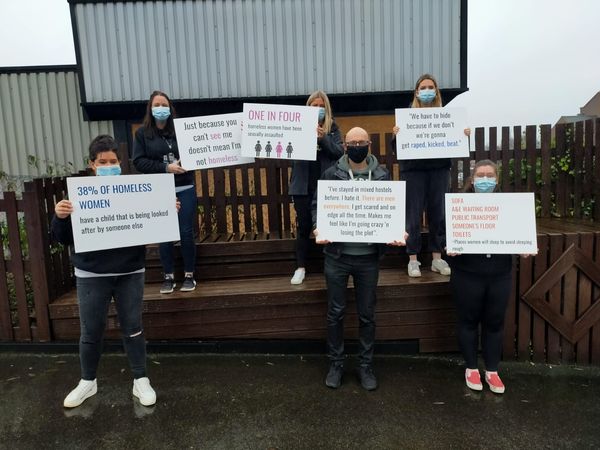
Monday 8th March marks International Women’s Day and the theme for 2021’s campaign is #ChooseToChallenge. Support workers from Simon on the Streets have come together to challenge misconceptions surrounding homelessness which is often mistaken to be a male-orientated problem.
The charity says that women who are homeless are often considered to be ‘hidden homeless’ and the day provides an opportunity to share how the charity supports women who are affected by homelessness.
According to government statistics, 14 per cent of rough sleepers in the UK are women and alarming research shows that the average age of death for a homeless woman is shockingly low at just 42 years old.
Extensive research suggests that many women partake in ‘survival sex’ when homeless with most women experiencing sexual violence while homeless, and one in four female rough sleepers have been sexually assaulted in the past year.
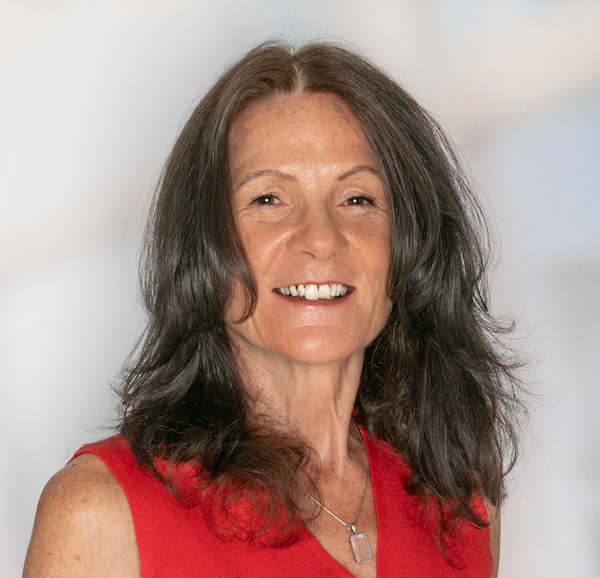
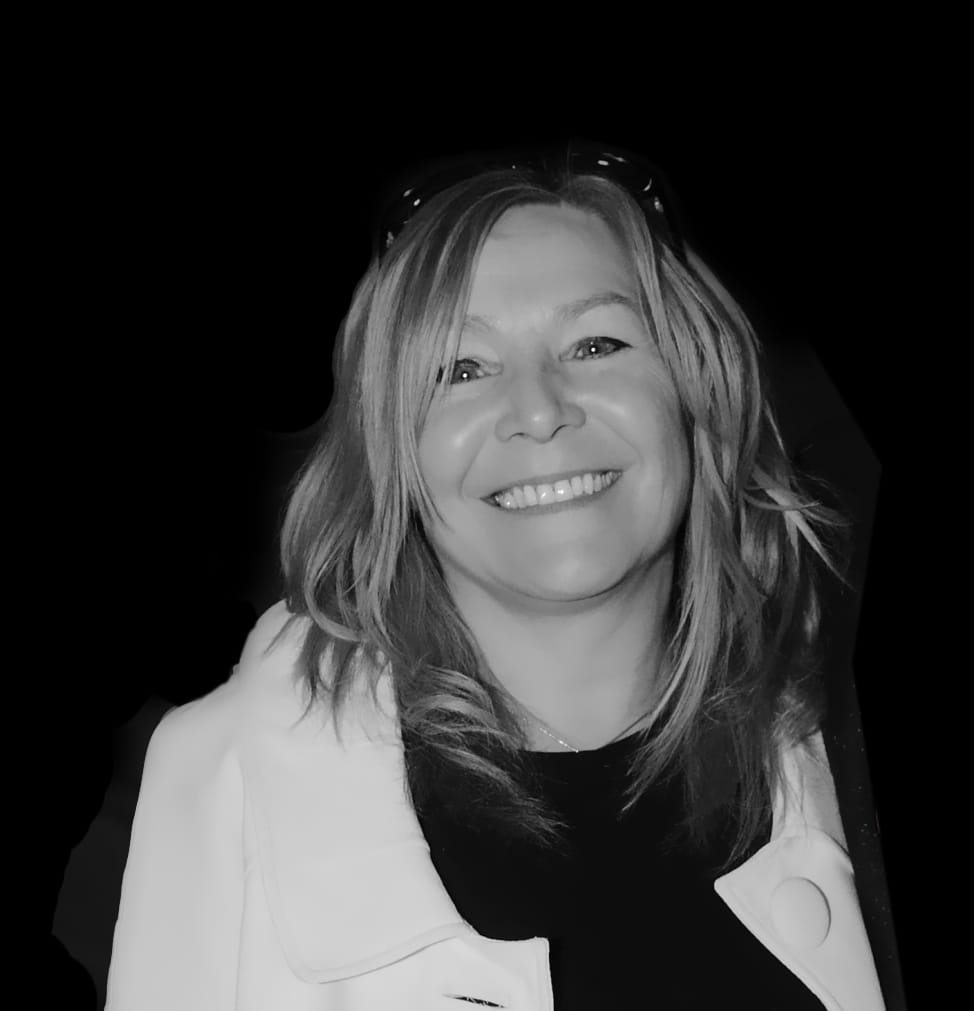
Natalie Moran, the first female CEO for Simon on the Streets comments: “Many women who experience homelessness are often hidden from the public, from services and from official statistics. They are more likely to be among the ‘hidden homeless’ as they will make efforts to hide away or stay in exploitative situations to avoid sleeping on the streets.”
Simon on the Streets received funding from Homeless Link’s Ending Women’s Homelessness grants programme, funded by the Government’s Tampon Tax Fund in November 2019 which comes to an end on 31st March 2021. The grant has been used to fund two women's outreach workers to work for the charity, with the aim to reduce the numbers of women living on the streets, support those in temporary accommodation and engage with women who are 'hidden homeless' by delivering gender and trauma informed assertive outreach. The charity has supported 65 women and has gained permanent accommodation for 13 of them so far. The rest are in temporary accommodation with a few continuing to be supported whilst sleeping rough.
Natalie continues: “It is often a long and difficult journey from homelessness to being independent and in your own house, but we continue to support people regardless of how long it takes.
“Although funding specifically for these female-specific roles is coming to an end, we hope to be able to continue this important piece of work and utilise the learning from the last 18 months throughout the work we are doing across Leeds, Bradford and Kirklees.”
Established in 1999 Simon on the Streets works with local people who are affected by homelessness and rough sleeping in Leeds, Bradford, and Kirklees. It offers street-support to individuals who have complex needs and cannot access mainstream services, due to behavioural issues or mental illness.
Statistics about female homelessness and how Simon on the Streets has helped:
Female homeless case study from Simon on the Streets outreach workers:
‘Jill’
Jill (real name not used) has been sleeping rough for most of her life. She suffers from mental ill health and has a variety of drug dependencies.
Many services have attempted to work with Jill over the years. Jill’s behaviour is often called “chaotic” and she has been restricted from support centres, services and temporary accommodation due to her “high risk”.
We often saw Jill on the streets and would always offer her food and a hot drink. It took time to build a trusting relationship with her. We were able to start supporting her to access drug services, somewhere she was previously restricted from. This meant she could receive a prescription for methadone. She immediately began reducing her heroin consumption.
We worked with Jill and other services to get Jill her a safe place of her own. When Jill was told that she was being given her own little flat, we were all so excited. But the transition from being on the streets to living in a property is difficult and often underestimated.
On move in day we went with Jill to the flat. We helped Jill furnish the flat and gave her a “Welcome to your new home” card to mark the occasion.
When all the agreements and tenancies had been signed and everyone had gone, we stayed with Jill until she was comfortable on her own. We sat down to create a weekly meal plan together and went food shopping to buy her food for the week. This is something we do often with Jill and it’s great to see her taking an interest in her meals. She likes cooking egg noodles and cake with custard.
We’ve also supported Jill to apply for Universal Credit. Budgeting money is difficult for Jill, who is working on her drug dependencies. We are working with Jill to help her budget her money so that she can become fully independent. Recently, she chose to spend some of her money on practical items such as hair dye, nail polish and a hair dryer.
We are so unbelievably proud of Jill and how far she has come. Jill’s journey is unique and the support we have provided has been person-centred. She has hopes of becoming substance free in the future and she’s smiling a lot more.